Services
Holiday charter
In short
Which airport should a holiday charter fly into?
The closest one the aircraft can legally and safely use — which is often not the closest one on the map. Many holiday destinations are served by small airports with short runways, mountain approaches or daylight-only operation, and some need a crew with a specific qualification. We match the aircraft to the airport nearest where you are staying, and tell you where a larger aircraft into a bigger airport plus a short transfer is the better trip.

01How it works
Arranging holiday charter
The Riviera, and the yacht
Nice Côte d’Azur is the main gateway for Monaco, Cannes and yachts along the coast, and takes every size of aircraft; in summer it is slot-controlled and busy on weekends. Cannes-Mandelieu is closer to Cannes but restricted to smaller aircraft, with noise and hours limits. La Môle, for Saint-Tropez, has a short runway and a demanding approach that only specially qualified crews may fly, so few aircraft can go in. For a yacht joining in Palma, Olbia or Nice, tell us the berth: the transfer from the airport often decides which one to use.
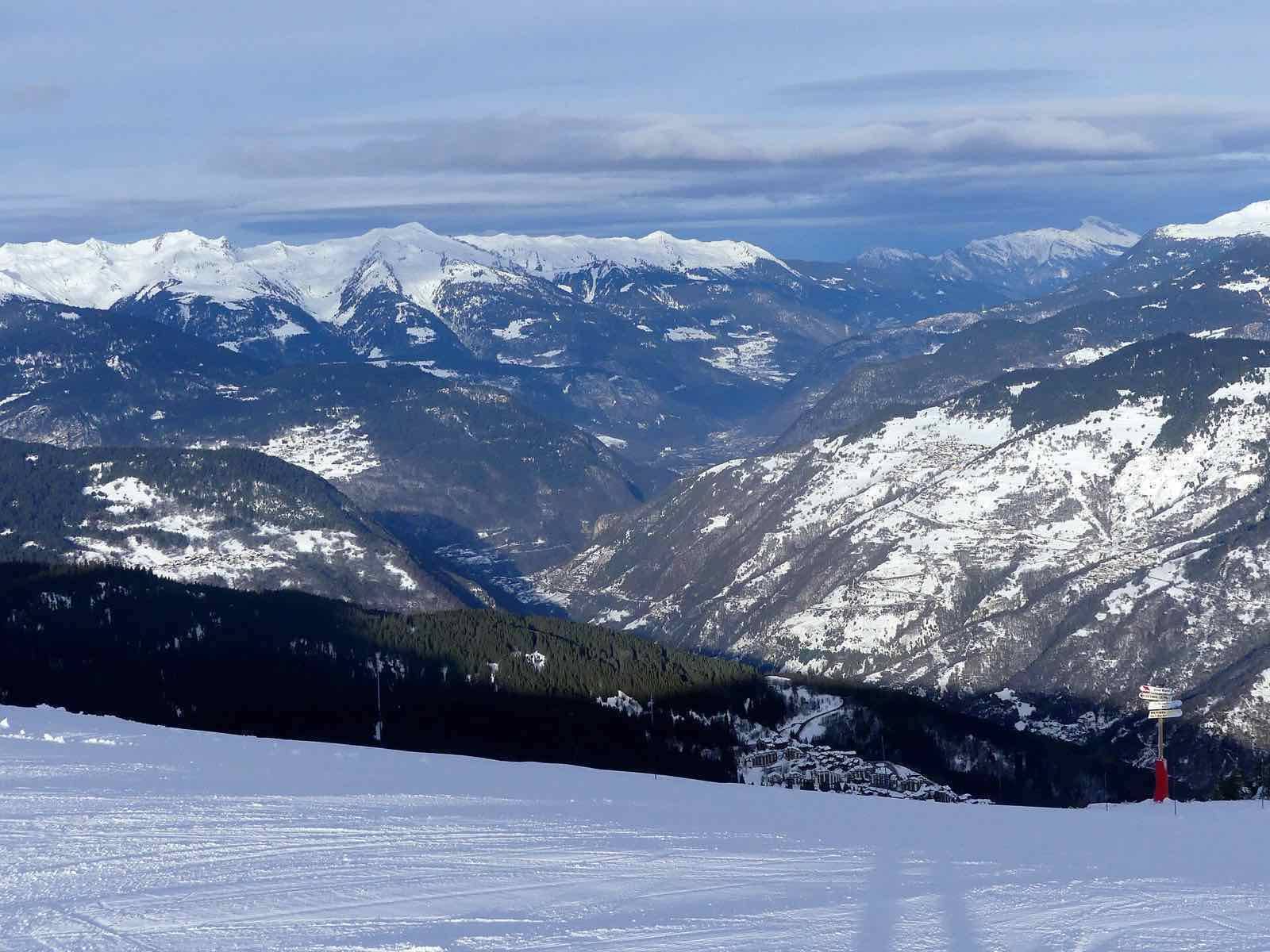
Skiing: the Alps in winter
Geneva is the gateway for Verbier, Chamonix, Megève and Courchevel by road, and is very busy on winter Saturdays. Sion is closer for Verbier and Crans-Montana, Chambéry for the Tarentaise valleys, and Samedan for St Moritz — a high-altitude airport with a mountain approach that needs a qualified crew and suits smaller aircraft. The Courchevel altiport takes only small propeller aircraft and helicopters. Ski weeks run Saturday to Saturday, so the same few days are wanted by everyone: book early, and consider a Friday or Sunday departure.
The Maldives, the Caribbean and the Gulf
Long-haul holidays are about range and the last leg. Malé is the arrival airport for most Maldives resorts, and onward seaplanes fly in daylight only — an arrival after dusk means a night in Malé or a domestic flight and a boat. In the Caribbean, St Barth’s runway is so short that only small aircraft with qualified crews can land, so larger jets fly to St Maarten or Antigua and a local aircraft completes the trip. Dubai and the wider Gulf are served by dedicated business-aviation terminals and take any aircraft.
Peak dates and what they cost
Holiday charter is seasonal: the Riviera and the Balearics in July and August, the Alps from Christmas to February, the Maldives and the Caribbean over Christmas and New Year. On those dates the favourable end of the market goes early and prices rise, which our route pages reflect as a higher starting point in peak months. The two ways to pay less are flexibility — a day either side of the weekend — and a one-way repositioning flight going your way, which the broker checks for on every request.
Beyond the flight
A private terminal can arrange the car to the villa or the helicopter to the yacht, and the operator’s catering can be ordered for the flight. Ski and golf equipment and dive gear are welcome but take hold space, so they belong in the first message. For multi-stop trips — a week on a yacht, then the mountains — one itinerary can be planned across several aircraft.
02Constraints
Worth knowing before you ask
Several resort airports accept only small aircraft or specially qualified crews.
Seaplane transfers in the Maldives operate in daylight only.
Peak weeks sell out early and carry higher starting prices.
Sports equipment takes hold space and can change the aircraft.
03The aircraft
Aircraft typically used
Drawn to one scale from real airframe dimensions. Which one suits your trip depends on the leg and the load rather than the passenger count alone.
Light jets
6–8 pax · 52 ft span
Super-midsize jets
8–10 pax · 69 ft span
Heavy jets
10–14 pax · 64 ft span
Ultra-long-range jets
12–16 pax · 100 ft span

04Your part
What to send with the request
Every service has two or three details that change the answer entirely. Including them in the first message turns one exchange into a quote instead of four.
- Where you are staying, not only the airport
- The villa, the chalet or the yacht’s berth. The right airport follows from it, and the answer is sometimes a smaller aircraft closer in or a larger one plus a short transfer.
- Dates, and how flexible they are
- On peak weekends a day’s flexibility can make the difference between the aircraft you want and what is left.
- Equipment and onward transfers
- Skis, golf bags, dive gear, and whether a car, helicopter or seaplane is needed at the other end.
05Before you pay
What we commit to on every booking
We have no completed flights to point at yet, and we are not going to invent any. What we can do is put the terms in writing before you ask for them.
What we commit to
Nothing is charged before the aircraft is confirmed.
You receive the operating carrier’s legal name, its AOC number and the aircraft registration in writing before any invoice or wallet address is issued. If those three things are not in front of you, you have not been asked to pay yet.
One commission, inside the price you were quoted.
Our margin is already in the number you agreed to. There is no second invoice, no booking fee added at the end, and no separate charge for arranging the flight. If the total moves after you have accepted it, the reason is a change you asked for.
No surcharge on any payment method, including cryptocurrency.
Card, bank transfer, USDT, Bitcoin and cash settle at the same price. We do not price crypto as a premium service, and we do not discount it to move you onto a rail that is harder to reverse.
If the operator cancels, you choose the remedy — not us.
Aircraft go technical and operators occasionally fail. When that happens before departure you are offered a replacement aircraft on equivalent terms or a full refund, and the choice between them is yours. We do not get to decide that a substitute was good enough.
These form part of our terms of business. If any of them changes, the change is dated there rather than made quietly here.
06Get aircraft options
Tell us the trip
Route, date and how many people is enough to start. Anything specific to this service — an animal, an equipment list, a medical report — can follow in the same thread.
Questions
- How much luggage can I take?
- Baggage is limited by volume, not by piece count — around 50 cubic feet on a light jet and 115 on a heavy jet. Skis, golf bags and oversized cases are fine but must be declared when you request the quote, because they can change which aircraft works. Weight matters on long legs: a full cabin plus heavy baggage can shorten range enough to add a fuel stop.
- How far in advance do I need to book?
- Four to six hours is usually enough for a domestic or intra-European leg if an aircraft is already positioned nearby. Intercontinental flights need longer for crew duty time, overflight and landing permits. The genuine constraints are seasonal: Nice and Ibiza in July, Geneva in ski season, and Riyadh at any time because of permit lead times.
- What is an empty leg flight?
- An empty leg is a repositioning flight an aircraft has to make anyway — flying empty to collect its next passengers, or home after a drop-off. Operators sell those seats at 25% to 75% below a normal charter. The trade-off is rigidity: the route, date and often the departure window are fixed by someone else’s trip, and the flight can be cancelled if the original charter changes.
- How much does it cost to charter a private jet?
- There is no fixed price. As indicative starting points, light jets from about $3,200 per flight hour, super-midsize jets from about $6,000 per flight hour, heavy jets from about $8,000 per flight hour and ultra-long-range aircraft from about $11,500 per flight hour, plus positioning and ground handling at both ends. Each route page shows an indicative starting price for that trip. Those figures are starting prices, not quotes: the price of your flight is calculated individually and depends on aircraft availability, where the aircraft is positioned, the date, the operating company and airport charges.