Airport
Nice Côte d’Azur
LFMN · NCE · Europe/Paris
In short
How busy is Nice for private jets in summer?
It is the busiest private-jet airport in Europe between late May and August, and that changes how you have to plan. Slots and parking must be secured days ahead rather than hours, prices rise materially, and aircraft frequently drop passengers and reposition rather than wait. Outside the season it is an ordinary, pleasant airport with a 9,678 ft runway and no particular difficulty.
- 9,678 ft
- longest runway
- 24 h
- customs
- Required
- slots
- None
- night curfew
Handlers
- Aviapartner ExecutiveTerminal 3
- Swissport Executive
Handling for a heavy jet runs roughly $2,200–$4,500, covering landing, parking, navigation and the FBO.
01Arrival
Getting into the city
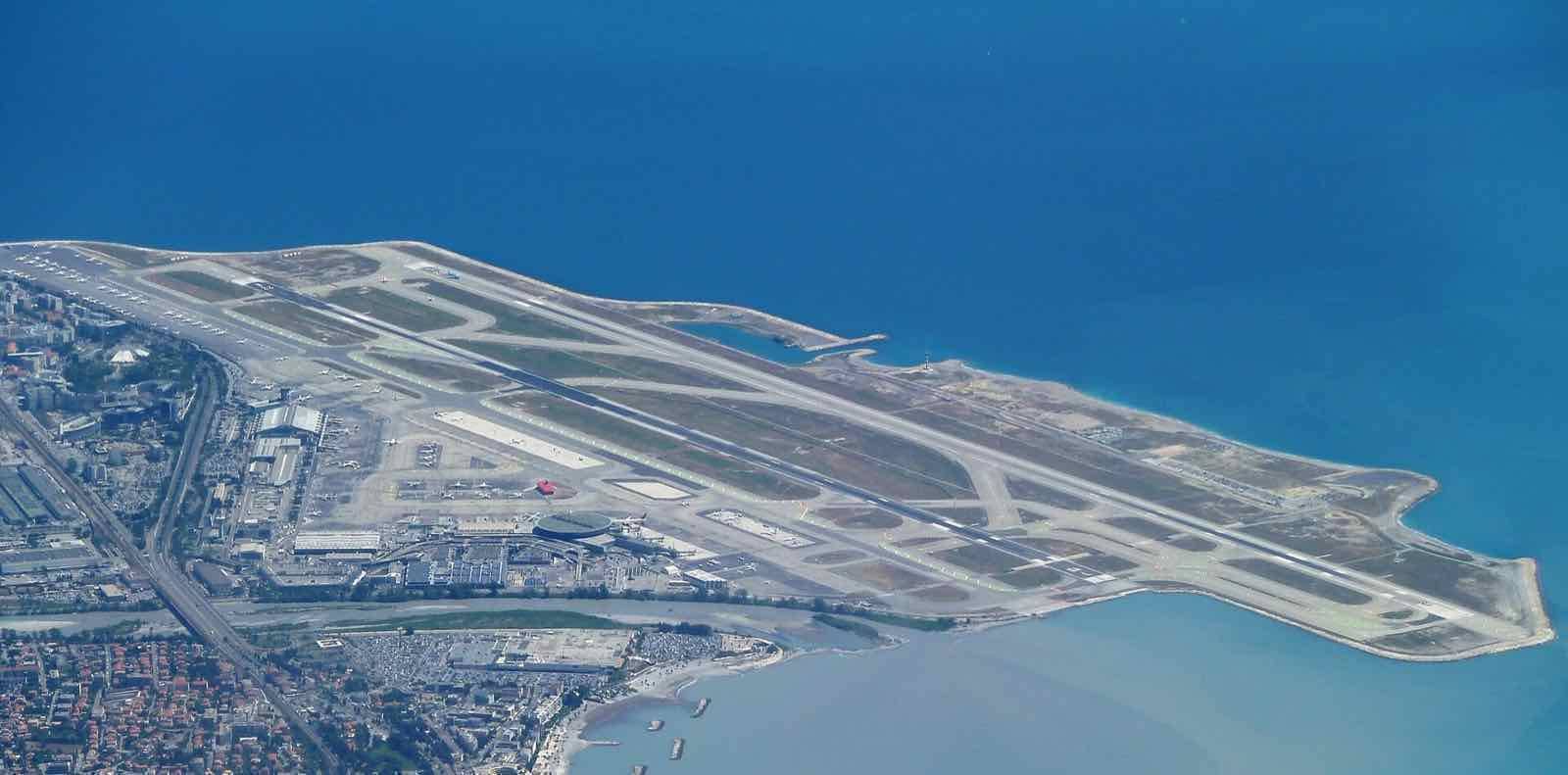
Nice airport sits on the coast at the western edge of the city — ten minutes to the Promenade des Anglais, twenty-five to Antibes, forty to Cannes by road in normal traffic and rather more in August. The genuinely useful option is the helicopter to Monaco: six minutes from the same apron against forty-five to ninety minutes by road, and worth arranging with the flight rather than on arrival. Saint-Tropez is around ninety minutes by road, or twenty by helicopter.
02Handling
On the ground
Aviapartner Executive and Swissport Executive both operate from Terminal 3, the dedicated business-aviation terminal, which is separate from the airline buildings and has its own road entrance. Handling for a heavy jet is roughly $2,200 to $4,500 — cheaper than London or Geneva. Border control is inside the terminal. In peak weeks the terminal itself becomes busy, which is unusual for a business-aviation facility and worth expecting.
03Constraints
What can stop you
Everything, in July. Slots are mandatory and genuinely scarce; parking is limited enough that aircraft staying more than a few hours are often asked to reposition to Cannes-Mandelieu or Toulon; and the Cannes Film Festival and Monaco Grand Prix each compress a season's demand into a few days. Book the return at the same time as the outbound — it is the single most effective way to reduce the cost of a summer trip here, because it lets the operator plan to stay.
The busiest private-jet destination in Europe in summer. Between late May and August slots and parking must be secured days ahead, and helicopter transfer to Monaco is a six-minute hop from the same apron.
04The field
What this runway takes
Runway length is the constraint that decides which aircraft can use a field at all, and it is the reason a class that suits your distance sometimes cannot use the airport you wanted. Nice Côte d’Azur has 9,678 feet, which admits the classes below. Where a class is excluded here, the nearest alternative field is usually the answer rather than a different aircraft.
- TurbopropsOperates · needs 3,000 ft
- Very light jetsOperates · needs 3,200 ft
- Light jetsOperates · needs 3,500 ft
- Midsize jetsOperates · needs 4,200 ft
- Super-midsize jetsOperates · needs 4,800 ft
- Heavy jetsOperates · needs 5,200 ft
- Ultra-long-range jetsOperates · needs 5,800 ft
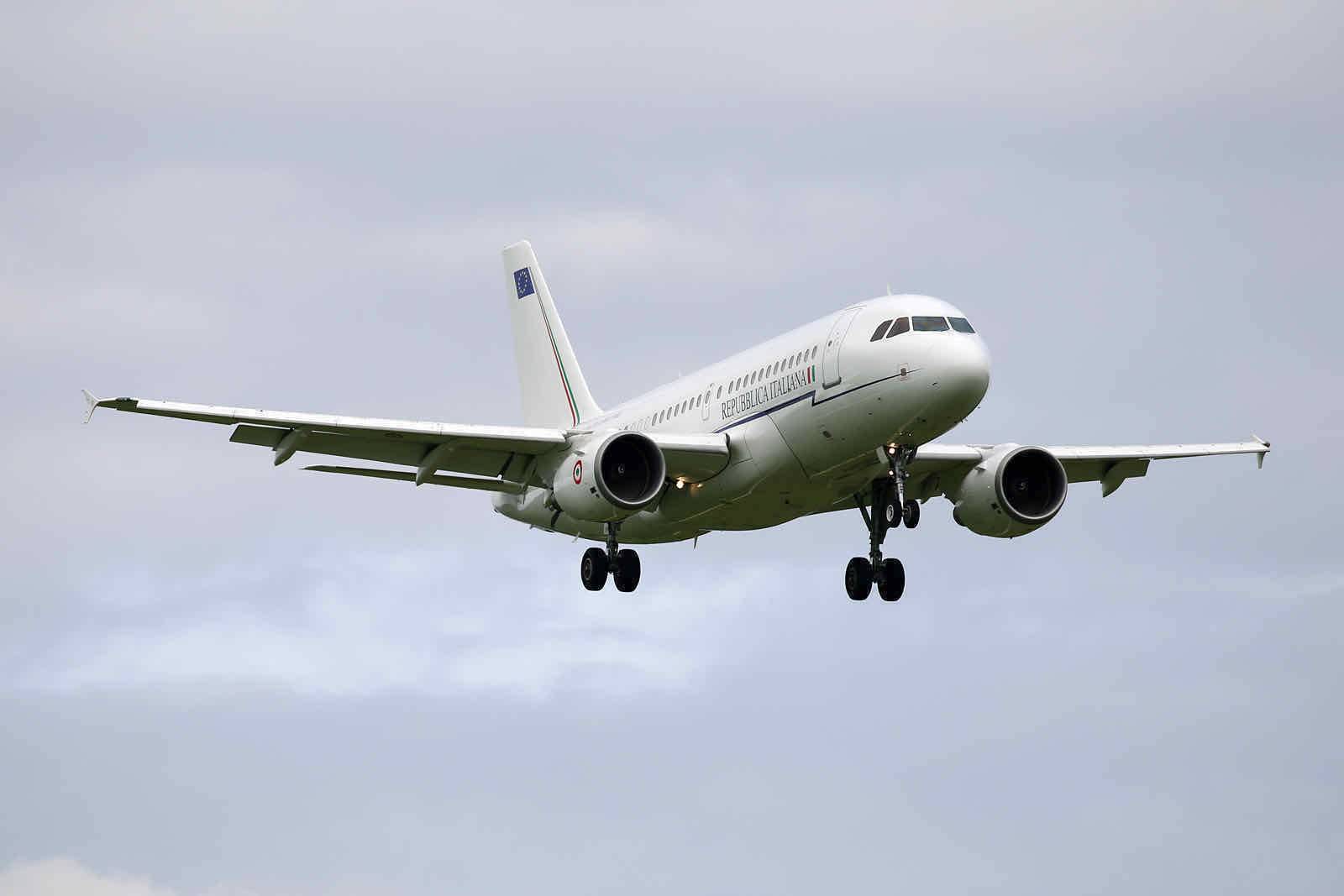
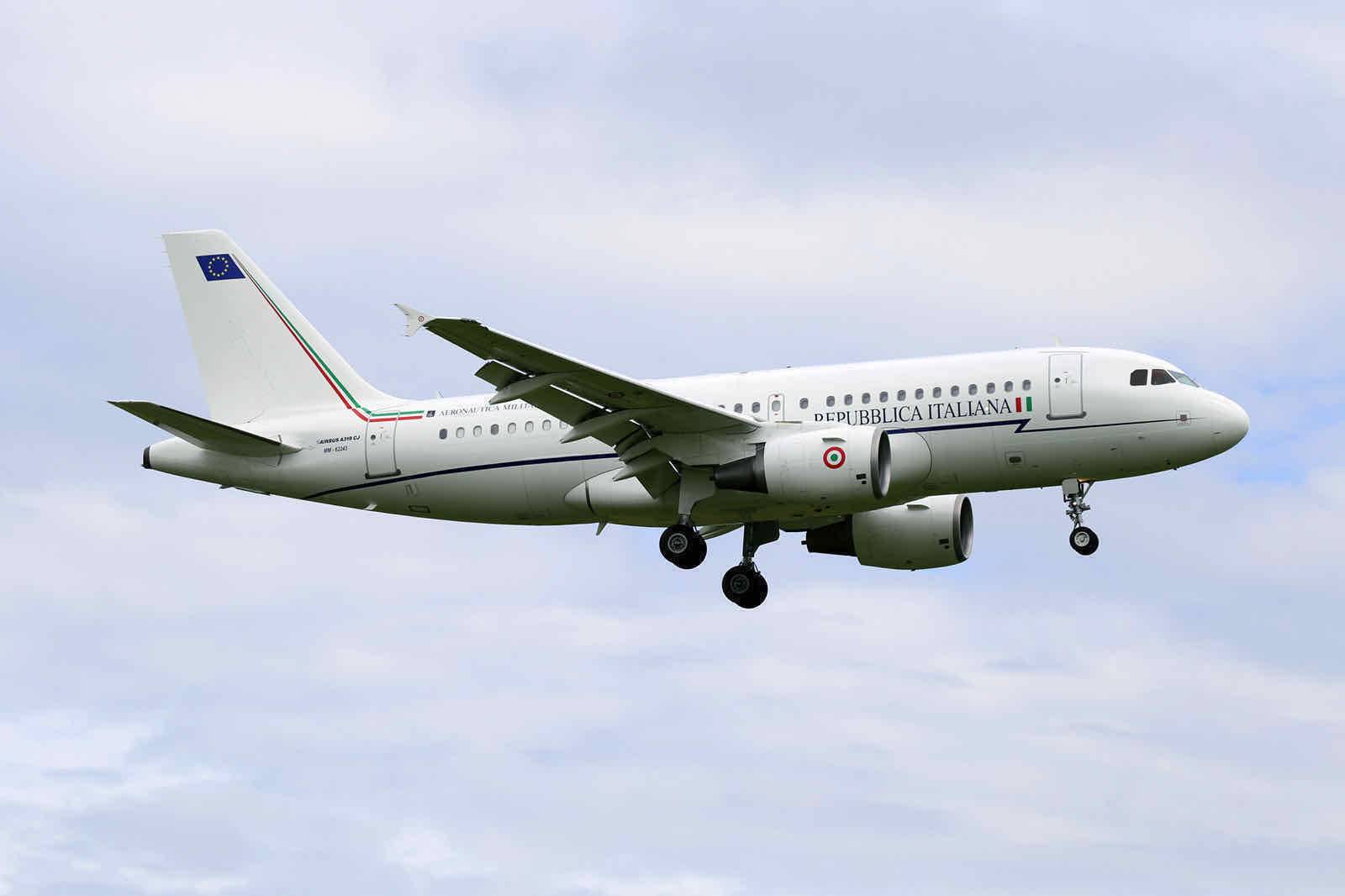
- VIP airlinersOperates · needs 6,500 ft
Minimums are for a typical aircraft of the class at moderate weight and temperature. A hot day, a full cabin or a wet runway all push the requirement up, which is why an aircraft that fits on paper occasionally does not on the day.
05Traffic
Routes through Nice Côte d’Azur
- London → Nice
580 nm · 1 h 45 min
from $10,000
- Paris → Nice
375 nm · 1 h 20 min
from $8,500
- New York → Nice
3,464 nm · 7 h 50 min
from $104,500
06Get a price
Flying from Nice Côte d’Azur
Send the other end of the trip and a date. If a different airport nearby would serve you better — cheaper handling, no curfew, a shorter drive — we will say so rather than quote what you asked for.
Questions
- How far in advance do I need to book?
- Four to six hours is usually enough for a domestic or intra-European leg if an aircraft is already positioned nearby. Intercontinental flights need longer for crew duty time, overflight and landing permits. The genuine constraints are seasonal: Nice and Ibiza in July, Geneva in ski season, and Riyadh at any time because of permit lead times.
- What is an empty leg flight?
- An empty leg is a repositioning flight an aircraft has to make anyway — flying empty to collect its next passengers, or home after a drop-off. Operators sell those seats at 25% to 75% below a normal charter. The trade-off is rigidity: the route, date and often the departure window are fixed by someone else’s trip, and the flight can be cancelled if the original charter changes.
- How much does it cost to charter a private jet?
- There is no fixed price. As indicative starting points, light jets from about $3,200 per flight hour, super-midsize jets from about $6,000 per flight hour, heavy jets from about $8,000 per flight hour and ultra-long-range aircraft from about $11,500 per flight hour, plus positioning and ground handling at both ends. Each route page shows an indicative starting price for that trip. Those figures are starting prices, not quotes: the price of your flight is calculated individually and depends on aircraft availability, where the aircraft is positioned, the date, the operating company and airport charges.
- How early do I need to arrive at the airport?
- Fifteen minutes before departure at a private terminal, and often less. There is no check-in desk and no security queue. On international departures passport control happens at the FBO, usually in under five minutes. At many airports your car can drive to the aircraft steps.
- Can I fly with my pet?
- Usually, and in the cabin with you — but it depends on the aircraft and the operator. Many charter operators accept dogs and cats in the cabin without a crate; some limit size, species or number, and a few do not carry animals at all. The destination country’s import rules apply regardless of aircraft: the UK, for example, requires an approved route and documentation. Tell us the species, size and destination when you send the request, and we only offer operators who accept them.