Airport
Paris Le Bourget
LFPB · LBG · Europe/Paris
In short
Which Paris airport do private jets use?
Le Bourget, in almost every case. It is Europe's largest dedicated business-aviation airport, twelve kilometres from central Paris, with a 9,843 ft runway, three major handlers and no scheduled traffic at all. Charles de Gaulle and Orly both accept private flights but are slot-controlled, congested and considerably further from anywhere you want to be.
- 9,843 ft
- longest runway
- 24 h
- customs
- None
- slots
- 22:15–06:00
- night curfew
Handlers
- Advanced Air Support
- Signature Flight Support
- Jetex Paris
Handling for a heavy jet runs roughly $2,500–$5,000, covering landing, parking, navigation and the FBO.
01Arrival
Getting into the city
Le Bourget is closer to central Paris than any of the alternatives — twenty to twenty-five minutes to the 8th arrondissement outside rush hour, around thirty to Saint-Germain. The A1 carries the whole journey and is heavy inbound in the morning and outbound in the evening. La Défense is around twenty-five minutes. For onward travel to Deauville or Normandy the airport sits on the right side of the city, which is not true of Orly.
02Handling
On the ground
Advanced Air Support, Signature and Jetex all operate here, along with several smaller handlers, and the competition shows in service and price. Handling for a heavy jet is roughly $2,500 to $5,000. Being inside Schengen, most European arrivals have no border formality at all; for arrivals from outside, police aux frontières clear passengers in the FBO. Cars reach the aircraft at most handlers.
03Constraints
What can stop you
A night curfew from 22:15 to 06:00, which is what pushes late departures to Charles de Gaulle. Slots are not required in the way they are at Luton or Nice, and parking is generally available except during the Paris Air Show, when the airport is the show and business traffic moves elsewhere entirely. Winter fog affects Le Bourget slightly more than CDG because of the shorter approach lighting on one runway direction, though diversions are rare.
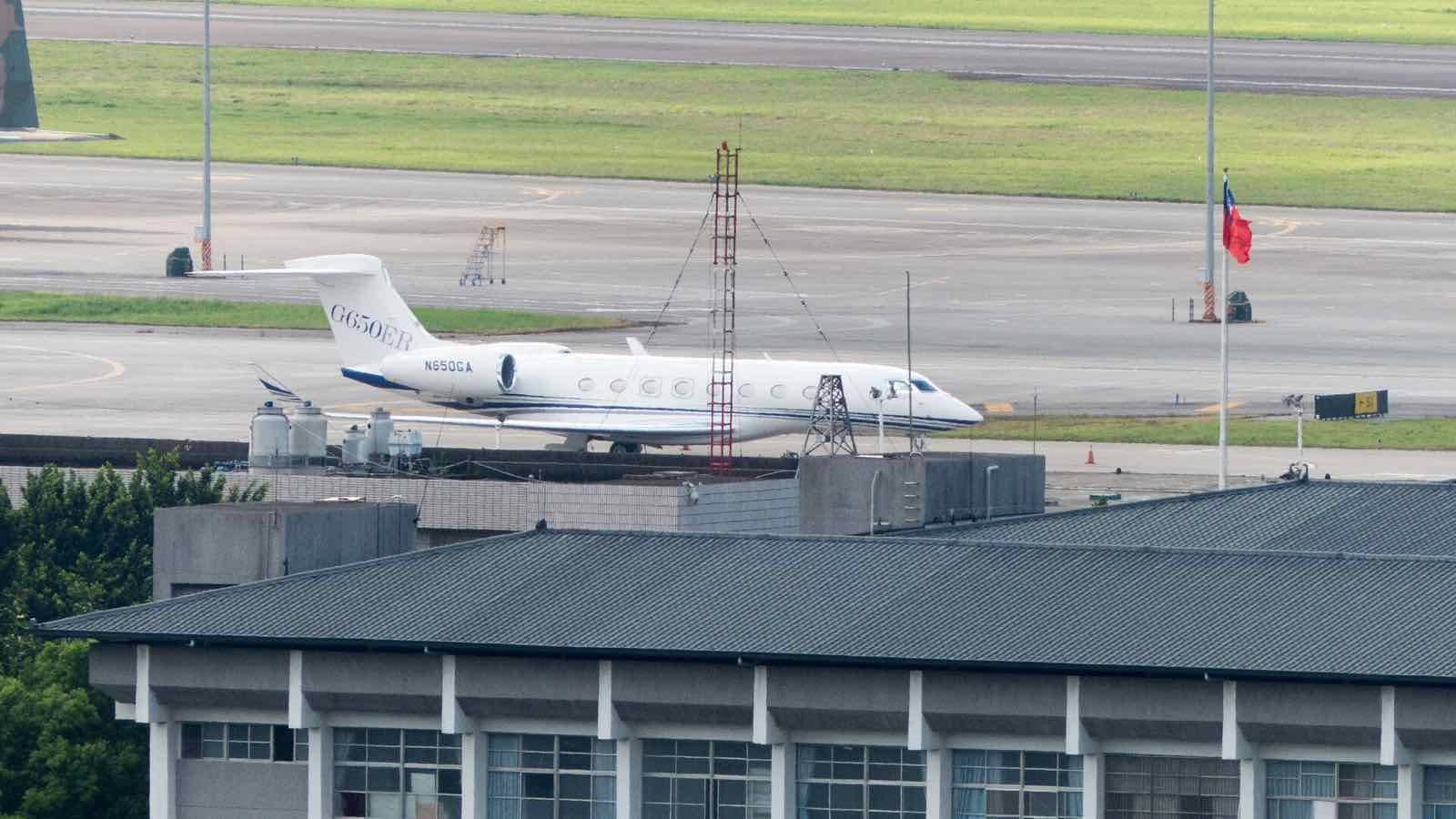
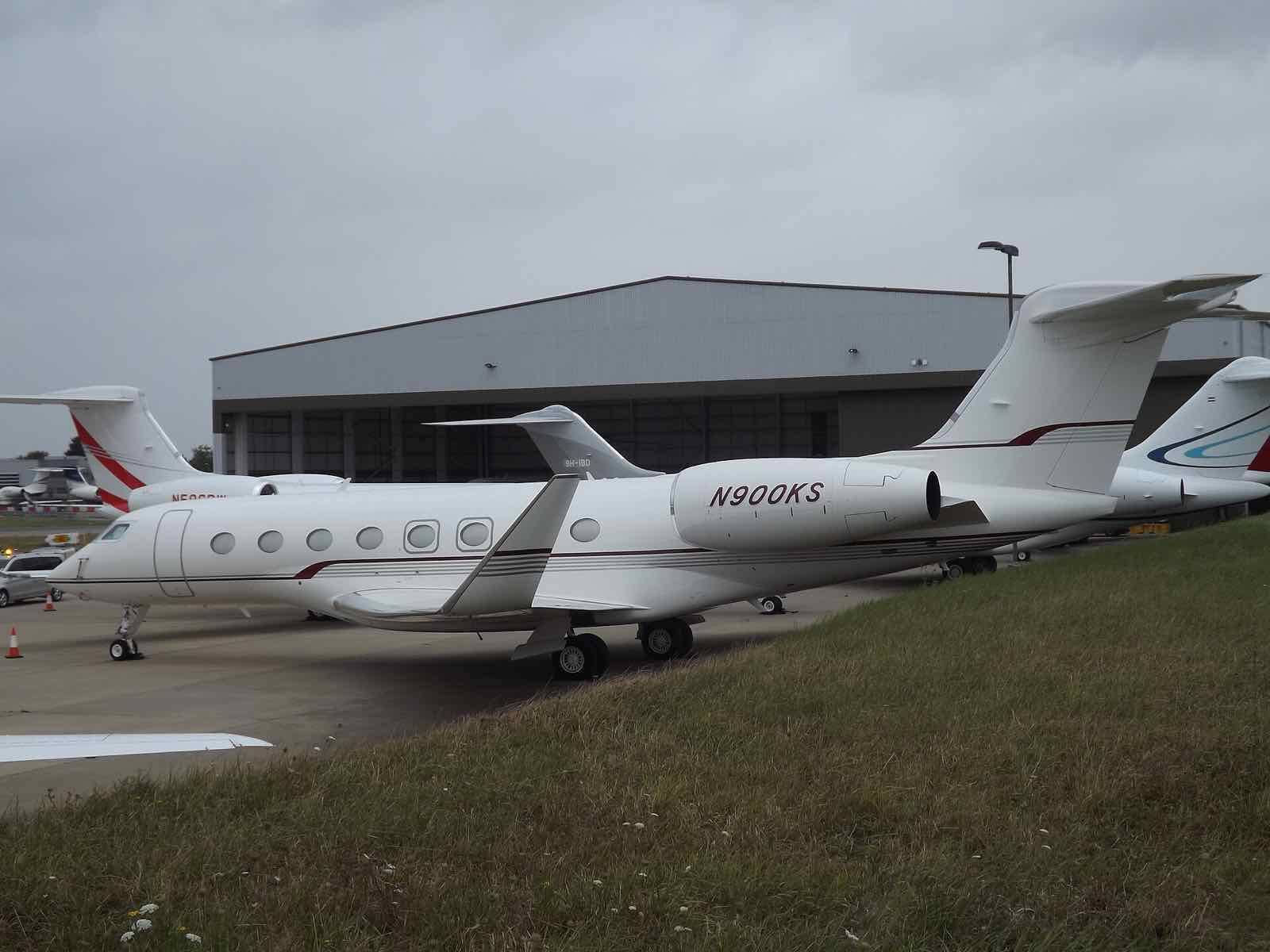
Europe’s largest dedicated business-aviation airport, 12 km from central Paris. Night movements are restricted, so late departures usually shift to Paris CDG.
04The field
What this runway takes
Runway length is the constraint that decides which aircraft can use a field at all, and it is the reason a class that suits your distance sometimes cannot use the airport you wanted. Paris Le Bourget has 9,843 feet, which admits the classes below. Where a class is excluded here, the nearest alternative field is usually the answer rather than a different aircraft.
- TurbopropsOperates · needs 3,000 ft
- Very light jetsOperates · needs 3,200 ft
- Light jetsOperates · needs 3,500 ft
- Midsize jetsOperates · needs 4,200 ft
- Super-midsize jetsOperates · needs 4,800 ft
- Heavy jetsOperates · needs 5,200 ft
- Ultra-long-range jetsOperates · needs 5,800 ft
- VIP airlinersOperates · needs 6,500 ft
Minimums are for a typical aircraft of the class at moderate weight and temperature. A hot day, a full cabin or a wet runway all push the requirement up, which is why an aircraft that fits on paper occasionally does not on the day.
05Traffic
Routes through Paris Le Bourget
- Paris → Nice
375 nm · 1 h 20 min
from $8,500
06Get a price
Flying from Paris Le Bourget
Send the other end of the trip and a date. If a different airport nearby would serve you better — cheaper handling, no curfew, a shorter drive — we will say so rather than quote what you asked for.
Questions
- How early do I need to arrive at the airport?
- Fifteen minutes before departure at a private terminal, and often less. There is no check-in desk and no security queue. On international departures passport control happens at the FBO, usually in under five minutes. At many airports your car can drive to the aircraft steps.
- How far in advance do I need to book?
- Four to six hours is usually enough for a domestic or intra-European leg if an aircraft is already positioned nearby. Intercontinental flights need longer for crew duty time, overflight and landing permits. The genuine constraints are seasonal: Nice and Ibiza in July, Geneva in ski season, and Riyadh at any time because of permit lead times.
- How much luggage can I take?
- Baggage is limited by volume, not by piece count — around 50 cubic feet on a light jet and 115 on a heavy jet. Skis, golf bags and oversized cases are fine but must be declared when you request the quote, because they can change which aircraft works. Weight matters on long legs: a full cabin plus heavy baggage can shorten range enough to add a fuel stop.
- Who sees my itinerary?
- Your broker, and the operator flying you — that is all. We do not sell or share passenger data, we do not add you to marketing sequences, and we do not publish or resell itineraries. Operators receive only the passenger details aviation authorities require them to hold.
- Can I fly with my pet?
- Usually, and in the cabin with you — but it depends on the aircraft and the operator. Many charter operators accept dogs and cats in the cabin without a crate; some limit size, species or number, and a few do not carry animals at all. The destination country’s import rules apply regardless of aircraft: the UK, for example, requires an approved route and documentation. Tell us the species, size and destination when you send the request, and we only offer operators who accept them.
- How much does it cost to charter a private jet?
- There is no fixed price. As indicative starting points, light jets from about $3,200 per flight hour, super-midsize jets from about $6,000 per flight hour, heavy jets from about $8,000 per flight hour and ultra-long-range aircraft from about $11,500 per flight hour, plus positioning and ground handling at both ends. Each route page shows an indicative starting price for that trip. Those figures are starting prices, not quotes: the price of your flight is calculated individually and depends on aircraft availability, where the aircraft is positioned, the date, the operating company and airport charges.